Kitap 9
22.3
Corinna, the only lyric poetess of Tanagra, has her tomb in a, conspicuous part of the city, and in the gymnasium is a painting of Corinna binding her head with a fillet for the victory she won over Pindar at Thebes with a lyric poem. I believe that her victory was partly due to the dialect she used, for she composed, not in Doric speech like Pindar, but in one Aeolians would understand, and partly to her being, if one may judge from the likeness, the most beautiful woman of her time.
22.4
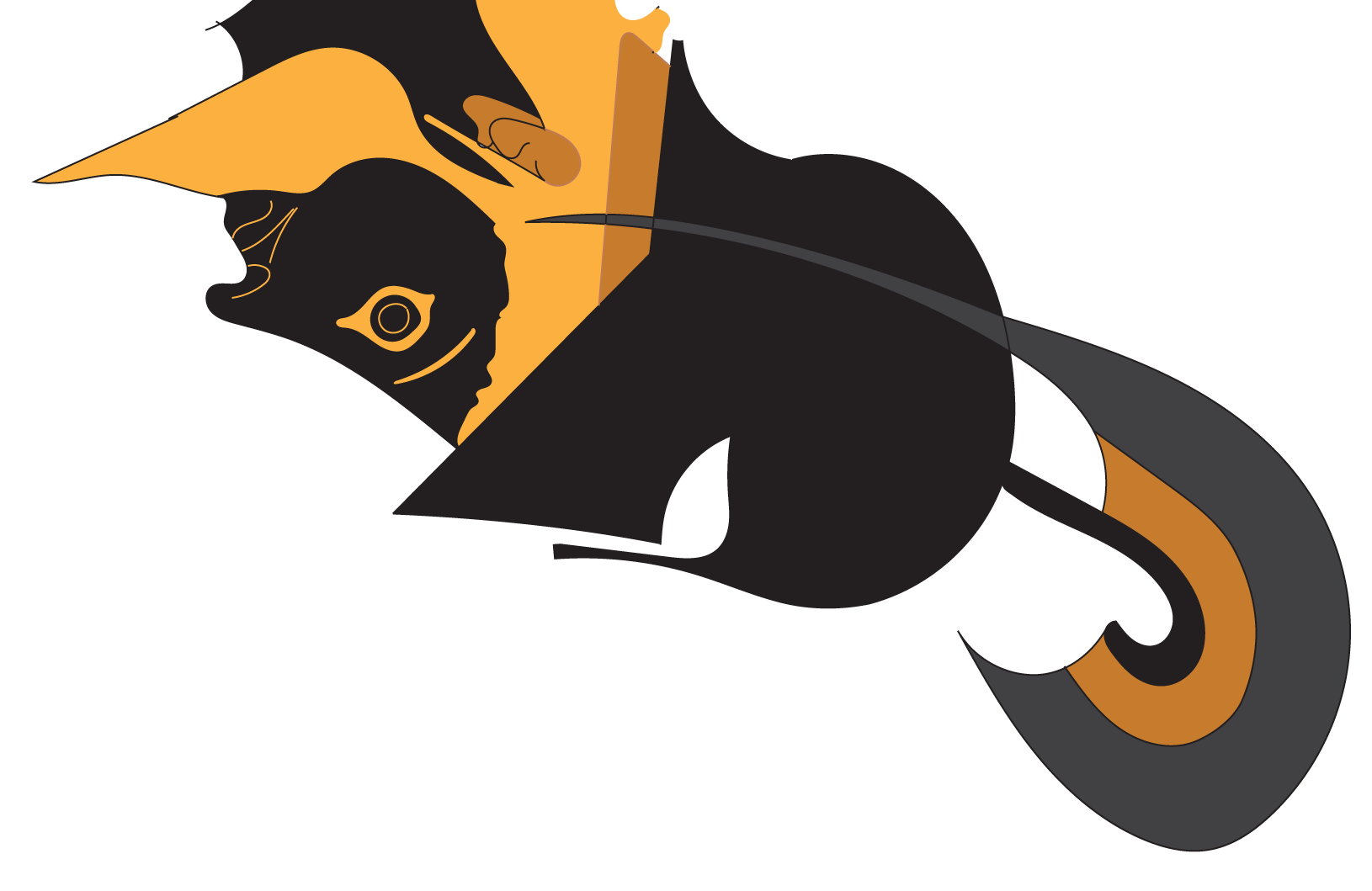
Here there are two breeds of cocks, the fighters and the blackbirds, as they are called. The size of these blackbirds is the same as that of the Lydian birds, but in color they are like crows, while wattles and comb are very like the anemone. They have small, white markings on the end of the beak and at the end of the tail.
22.5
Such is the appearance of the blackbirds. Within Boeotia to the left of the Euripus is Mount Messapius, at the foot of which on the coast is the Boeotian city of Anthedon. Some say that the city received its name from a nymph called Anthedon, while others say that one Anthas was despot here, a son of Poseidon by Alcyone, the daughter of Atlas. Just about the center of Anthedon is a sanctuary of the Cabeiri, with a grove around it, near which is a temple of Demeter and her daughter, with images of white marble.